Autobiography: A Charming Script Font for Makers
The soft hum of my Cricut machine filled the quiet corner of my studio as I prepared to cut a new batch of candle labels. The wax had just cooled, and the scent of vanilla and sandalwood was already drifting through the room. I needed a typeface that felt personal, something that whispered "handmade" without shouting. That is when I opened my library and selected Autobiography. As the blade began its precise dance across the vinyl, I watched the letters take shape—neatly crafted, highly detailed, and full of life. It wasn't just a font; it felt like the signature of a friend writing a heartfelt note.
Bringing Stories to Life with Autobiography
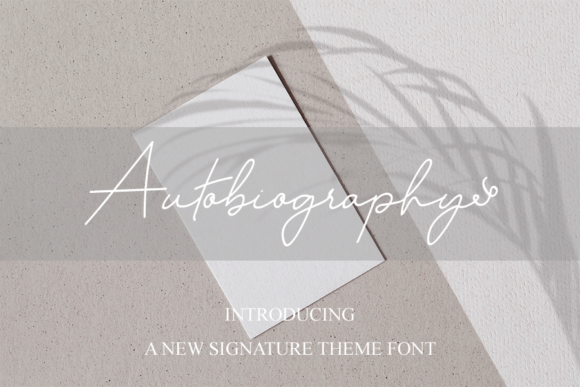
For those of us who build our businesses on the back of creativity, the choice of typography is often the difference between a product that sits on a shelf and one that tells a story. Autobiography is a fashionable script font designed to bring exactly that narrative quality to your work. Its visual personality is warm and inviting, characterized by fluid strokes that mimic natural handwriting but with a level of polish that elevates any design. When I first applied it to a simple greeting card mockup, the mood shifted instantly from generic to intimate.
This script font carries a charm that is perfect for the modern maker. Whether you are designing wedding invitations, boutique tags, or seasonal holiday cards, the intricate details of the letterforms add a layer of sophistication. It feels like a premium font that speaks to quality. In my experience, using Autobiography on packaging design transforms a standard box into a treasure chest waiting to be opened. The curves and flourishes catch the light in print, giving physical products a tactile appeal that digital screens alone cannot convey.
Perfect Applications for Handmade Goods
The versatility of this display font makes it an asset for a wide range of creative projects. I have found it particularly effective for short phrases, names, and titles where impact matters most. For example, when creating labels for artisan soaps or small-batch candles, the name of the scent written in Autobiography immediately suggests luxury and care. It works beautifully on:
- Candle and Soap Labels: Adding a touch of elegance to rustic containers.
- Greeting Cards and Invitations: Setting a romantic or celebratory tone for weddings and birthdays.
- Printable Wall Art: Creating inspirational quotes that feel like they were painted by hand.
- Boutique Tags and Packaging: Elevating the unboxing experience for online shoppers.
- Seasonal Decor: Designing farmhouse signs or holiday ornaments with a classic feel.
- Apparel and Tote Bags: Adding stylish text to shirts and canvas bags for custom merchandise.
While it shines in display use, it is important to consider readability. Autobiography is best suited for headlines and decorative wording rather than long paragraphs of body text. The intricate details can become lost if the size is too small or the background is too busy. On small stickers or tiny product labels, I always test the size carefully to ensure the connections between letters remain clear after cutting or printing.
Designing with Intention: Pairing and Presentation
One of the joys of working with a characterful typeface like Autobiography is seeing how it interacts with other design assets. To maintain brand consistency and ensure your message is clear, pairing is key. This creative font pairs exceptionally well with clean sans serif fonts or simple serif fonts. The contrast between the flowing, organic lines of the script and the structured geometry of a sans serif creates a balanced look that is both modern and timeless.
When I design listing images for my shop, I often use Autobiography for the main title and a neutral sans serif for the details like price, dimensions, or care instructions. This hierarchy guides the customer's eye and enhances perceived quality. It also helps with audience engagement; customers are drawn to designs that look professional yet approachable. By combining this handwritten font with high-quality mockups, the emotional appeal of the product increases, making the viewer feel a connection before they even make a purchase.
Technical Considerations for Makers
Before integrating Autobiography into your commercial workflow, there are a few technical aspects to review. As a commercial font, it is essential to verify the licensing terms to ensure you are covered for selling physical products, templates, SVG-style designs, and digital downloads. Most reputable font creators offer licenses that allow for unlimited end-product sales, but always double-check the specific agreement.
Additionally, explore the included styles, alternates, ligatures, swashes, and weights. These features allow you to customize the look of your text, preventing repetition and adding unique flair to your logo design or editorial layouts. For instance, using a swash on the capital "A" in a wedding welcome board can create a stunning focal point. If you are working with cutting machines like Silhouette or Cricut, ensure the file formats (usually OTF or TTF) are compatible with your software. Multilingual support is another crucial factor if your business serves a global audience, ensuring that accented characters render correctly.
Elevating Your Brand Identity
In the crowded marketplace of handmade goods, your brand identity is everything. Typography plays a massive role in how customers recognize and remember your shop. Using a consistent typeface like Autobiography across your social media graphics, web design, and physical packaging builds trust and familiarity. It signals that you pay attention to detail, from the way you wrap a gift to the way you write a thank-you note.
Whether you are a planner page creator, a stationery designer, or a hobbyist turning a passion into profit, the right font can be the catalyst for growth. Autobiography offers the potential to enliven your entire catalog. It turns a simple sticker sheet into a collection of art and a plain mug into a statement piece. As I finished cutting my candle labels, peeling away the excess vinyl, the words looked crisp and confident. They didn't just label the product; they told the story of the hands that made it.
By choosing a font with such distinct character, you are not just selecting a tool; you are curating an experience for your customers. Let your designs speak volumes, and let Autobiography be the voice that shares your unique story with the world.