Donathe: A Cute Cursive Handwritten Font for Branding
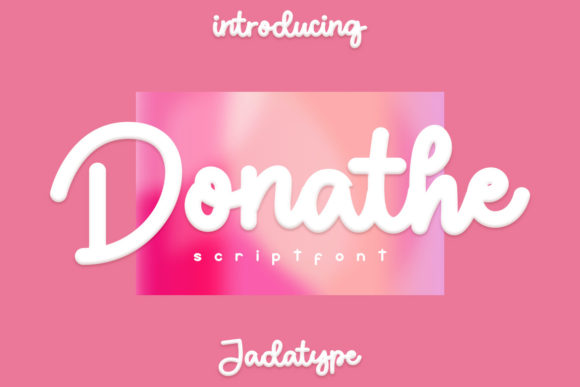
I was staring at a blank brand board for a small, independent candle maker when I realized the project needed more warmth. The geometric sans-serif I had selected for the logo felt too sterile for a product meant to evoke comfort and homey vibes. That’s when I pulled up Donathe. As a designer who has tested hundreds of typefaces, I know that finding the right script can make or break an identity. Donathe is a cute and cursive paint brushed handwritten font that immediately shifted the mood of the entire project. It didn’t just sit on the page; it brought the brand to life with a texture that felt authentic and inviting.
First Impressions: The Paint Brushed Personality
When you first load Donathe into your design software, the visual character is unmistakable. Unlike digital scripts that look like they were traced from a vector pen tool, Donathe mimics the organic flow of actual paint hitting paper. The strokes vary in thickness, creating a dynamic rhythm that feels human and imperfect in the best possible way. This "paint brushed" quality gives it a playful yet sophisticated edge, making it a standout asset in any Fonts library.
In my test run for the candle brand, I placed the wordmark on a simple packaging mockup. The contrast between the matte black box and the white, brush-stroke letters created an instant premium feel. It wasn't just a decorative element; it communicated the handmade nature of the product before the customer even read the description. The cursive style is legible enough to be understood quickly but stylized enough to serve as a focal point. This balance is rare in creative fonts, where readability often gets sacrificed for flair.
Testing Donathe Across Real-World Brand Assets
A true test of any typeface lies in its versatility across different mediums. I spent the afternoon pushing Donathe through various scenarios to see how it held up under pressure. For the logo design, it worked beautifully as a standalone mark. The fluid connections between letters created a cohesive shape that scaled well, from the tiny favicon on a browser tab to the large signage on the shop window.
Moving to print materials, I designed a business card using Donathe for the name and title. The texture of the font added depth to the flat stock, making the card feel tactile even before it was printed. On social media graphics, specifically Instagram story overlays, the font popped against vibrant background photos without becoming illegible. It handled short phrases and headlines with ease, maintaining its charm even at smaller sizes typical of mobile screens.
I also experimented with editorial design, placing Donathe as a chapter header in a mock-up magazine layout. Here, it served as a perfect display font, drawing the eye and setting a relaxed tone for the article. However, I did notice that while it excels in headlines and short copy, it is not intended for long paragraphs of body text. The intricate curves and varying stroke widths can become fatiguing to read over several lines. This is a common trait among script fonts, and understanding this limitation is key to using Donathe effectively.
Strategic Pairing and Visual Hierarchy
To create a balanced brand identity, pairing is essential. Donathe works best when paired with clean, neutral typefaces that allow its personality to shine without competing for attention. In my project, I paired it with a modern sans-serif font for the body copy and secondary information. The stark simplicity of the sans-serif grounded the whimsical nature of the script, creating a professional hierarchy.
If you are aiming for a more traditional or elegant look, a serif font could also work well, provided the serifs are subtle. The goal is to let Donathe act as the accent—the voice of the brand—while the supporting typeface handles the informational heavy lifting. Whether you are working on web design headers or product labels, this combination ensures that the message is clear while the aesthetic remains engaging.
What Projects Suit Donathe Best?
- Boutique Branding: Perfect for cafes, bakeries, and artisanal shops that want to convey a handmade touch.
- Packaging Design: Ideal for product labels on skincare, candles, and food items where a personal connection matters.
- Social Media Graphics: Excellent for quotes, announcements, and promotional posts that need to stand out in a feed.
- Wedding and Event Stationery: Great for invitations and programs requiring a romantic or celebratory feel.
- Creative Studio Identity: Useful for agencies wanting to show off their artistic side in logos and portfolios.
Technical Details and Practical Considerations
From a technical standpoint, Donathe offers a robust set of features for a script typeface. It includes a variety of alternates and ligatures that allow designers to customize the flow of the text, ensuring that no two instances look exactly the same if desired. These swashes and special characters add a layer of customization that elevates the final output from generic to bespoke.
However, before integrating Donathe into any client work, there are practical steps every professional must take. First, always review the included file formats. Ensure you have the correct versions for both print (OTF/TTF) and web use (WOFF/WOFF2) if you plan to implement it in a website. Second, and perhaps most importantly, verify the commercial font licensing. Using a font in a personal project is one thing, but applying it to a brand identity, merchandise, or print-on-demand products requires a proper license. Always check the terms of use to avoid legal complications down the road.
Finally, test the font in context. Download a few sample files and place them in your actual design environment. Check how it looks at 100% zoom versus 10% zoom. See how it interacts with other elements in your layout. Donathe is an incredibly asset to your fonts' library, but like any tool, it requires a skilled hand to wield it correctly. When used with intention, it has the potential to elevate any creation, turning a standard design into a memorable brand experience.